
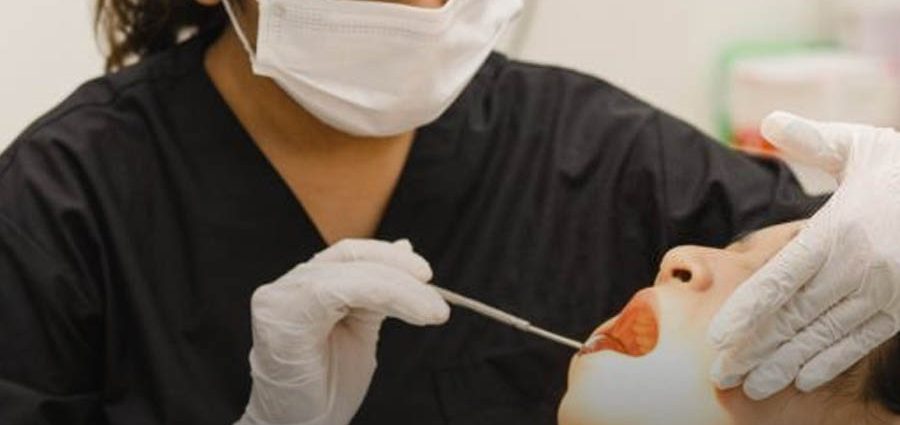
Cosmetic dentistry has entered a period of pronounced refinement, where artistry and biomedical science converge to reshape the concept of a smile makeover. Contemporary patients are no longer motivated solely by conspicuous whiteness or dramatic alteration. Instead, there is a growing appreciation for balance, facial congruence, and subtle enhancement that respects individuality. Dental professionals respond to this expectation with an expanded repertoire of techniques that prioritize precision and restraint. Digital diagnostics, advanced ceramics, and biologically mindful protocols allow clinicians to design smiles that appear effortless yet meticulously engineered. This evolution reflects a broader cultural shift toward authenticity, where cosmetic improvement aims to harmonize with natural features rather than overwrite them. The modern smile makeover is therefore less about transformation for spectacle and more about calibrated refinement that aligns dental aesthetics with personal identity, lifestyle, and long term oral health considerations.
Digital Smile Design and Predictive Aesthetics
One of the most influential trends reshaping cosmetic dentistry is the integration of digital smile design into routine aesthetic planning. Through high resolution imaging, facial scanning, and sophisticated software modeling, clinicians can now visualize outcomes before any irreversible procedure begins. This predictive approach enhances communication between dentist and patient, allowing aesthetic preferences to be articulated with greater clarity and realism. Subtle variables such as tooth proportion, gingival symmetry, and lip dynamics during speech are analyzed in concert rather than isolation. The result is a design process that feels consultative and transparent. Digital simulations also minimize uncertainty, reducing the likelihood of post treatment dissatisfaction. Beyond patient reassurance, this technology elevates clinical accuracy, enabling restorations that align precisely with facial architecture. Digital smile design has thus become a cornerstone of contemporary smile makeovers, merging analytical rigor with creative discernment.
Ultra Thin Veneers and Conservative Restorative Philosophy
The rise of ultra thin veneers illustrates a decisive move toward conservation in cosmetic dentistry. Unlike traditional veneers that often require significant enamel reduction, modern ceramic laminates can be bonded with minimal alteration to the natural tooth structure. This conservative philosophy appeals to patients who value reversibility and biological respect alongside aesthetics. Advances in ceramic engineering have produced materials that are both resilient and translucent, closely mimicking the optical properties of natural enamel. The application of these veneers demands exceptional clinical skill, as precision bonding and meticulous surface preparation are essential. When executed properly, the outcome is a smile that appears unaltered by artifice yet noticeably refined. This trend underscores a broader ethical dimension in cosmetic dentistry, where enhancement is pursued without compromising the inherent integrity of the dentition.
Facial Harmony Through Holistic Smile Makeovers
Modern smile makeovers increasingly extend beyond the teeth to consider the entire facial context. Dentists now collaborate across disciplines, integrating principles from orthodontics, periodontics, and facial aesthetics to achieve comprehensive harmony. The position of teeth relative to lips, cheeks, and jawline is evaluated to ensure proportional coherence. This holistic approach acknowledges that a smile functions as part of a dynamic facial system rather than a static display. Treatments may involve subtle orthodontic alignment, soft tissue contouring, or restorative adjustments that collectively enhance expression. By prioritizing facial balance, cosmetic dentistry transcends superficial modification and enters the realm of personalized design. The outcome is a smile that complements natural features, enhances confidence, and maintains a sense of authenticity that resonates with contemporary aesthetic values.
Advanced Teeth Whitening and Biomimetic Materials
Teeth whitening remains a central component of smile makeovers, yet the methodology has evolved considerably. Current protocols emphasize enamel safety and chromatic nuance rather than aggressive bleaching. Formulations are now designed to penetrate enamel microstructures with controlled efficacy, reducing sensitivity while achieving luminous results. In parallel, biomimetic restorative materials are gaining prominence. These substances are engineered to replicate the mechanical and optical behavior of natural tooth tissue, ensuring seamless integration with existing dentition. Such materials respond predictably to light and stress, enhancing durability and visual coherence. The combination of advanced whitening techniques with biomimetic restorations enables a cohesive aesthetic outcome. Rather than a uniform brightness, the modern smile exhibits depth, translucency, and vitality that reflect natural dental anatomy.
Personalization and the Rise of Patient Centered Aesthetics
Perhaps the most defining trend in cosmetic dentistry is the shift toward deeply personalized treatment planning. Standardized ideals of beauty are giving way to individualized aesthetic goals shaped by cultural background, age, and personal expression. Dentists invest more time in dialogue, exploring what a smile represents for each patient. This patient centered ethos influences every aspect of the makeover, from shade selection to tooth morphology. Customization extends to texture, contour, and even microscopic surface details that contribute to authenticity. Such meticulous personalization demands both technical mastery and empathetic insight. It reinforces trust and fosters outcomes that feel meaningful rather than manufactured. As cosmetic dentistry continues to evolve, this emphasis on individuality ensures that smile makeovers remain aligned with the human dimension of care, where confidence and self perception are as important as visual appeal.
About The Author