
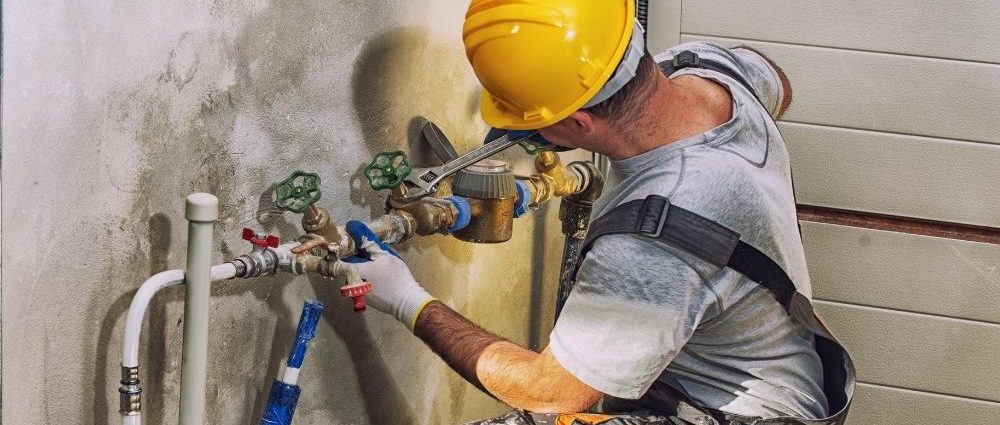
Water moves silently through walls, beneath floors, and above ceilings, sustaining every functional aspect of a property while remaining largely unseen. This invisibility often breeds complacency, yet plumbing systems are among the most vulnerable and consequential infrastructures within any building. A plumbing risk assessment brings these concealed networks into sharp focus, evaluating exposure points, material fatigue, pressure inconsistencies, and usage demands that evolve over time. Without such an assessment, property owners rely on assumptions rather than evidence, reacting to failures instead of preventing them. The assessment serves as a disciplined examination of how water enters, circulates, and exits a property, while identifying scenarios that could result in leaks, contamination, or catastrophic damage. It transforms plumbing from a passive utility into an actively managed asset, aligning maintenance priorities with real world conditions and future risks rather than outdated plans or visual inspections alone.
The Hidden Complexity of Modern Plumbing Systems
Contemporary plumbing systems are intricate assemblies of pipes, valves, joints, fixtures, and control mechanisms, each influenced by pressure dynamics, temperature variation, and chemical composition of water. Over time, corrosion, mineral accumulation, and mechanical stress quietly compromise these components. A plumbing risk assessment recognizes this complexity and evaluates the system as an interconnected organism rather than isolated parts. It considers how a minor weakness in one section can cascade into widespread disruption elsewhere. Properties that have undergone renovations or changes in occupancy often experience mismatches between original system capacity and current demand. Without a structured assessment, these mismatches remain undetected until failure occurs. The assessment process deciphers hidden vulnerabilities, assesses compatibility of materials, and anticipates stress points created by modern appliances and fluctuating usage patterns, offering clarity in an environment where assumptions are costly.
Financial Exposure and the Economics of Preventive Insight
Unanticipated plumbing failures carry financial consequences that extend far beyond repair invoices. Water damage can compromise finishes, furnishings, electrical systems, and structural elements, multiplying costs within hours. A plumbing risk assessment functions as a financial safeguard by identifying threats before they materialize into expensive emergencies. It enables property owners to prioritize interventions based on severity and likelihood rather than guesswork. Insurance claims related to water damage often reveal that many losses stem from preventable conditions that went unnoticed. By documenting system condition and maintenance needs, an assessment also strengthens insurance credibility and supports informed budgeting. Capital planning becomes more precise when future repairs and upgrades are forecast through empirical evaluation. In this way, the assessment reframes plumbing maintenance from an unpredictable expense into a managed investment that stabilizes long term financial exposure.
Health, Hygiene, and Regulatory Accountability
Water quality and sanitation are fundamental to occupant wellbeing, making plumbing integrity a public health concern rather than a purely mechanical issue. Leaks, backflow risks, and stagnant water zones can foster microbial growth and contamination that compromise indoor environments. A plumbing risk assessment scrutinizes these conditions with a focus on hygiene and safety, ensuring that potable water remains uncontaminated and waste systems function as intended. Regulatory standards governing water safety and building compliance continue to evolve, placing greater responsibility on property owners to demonstrate due diligence. An assessment provides documented evidence of proactive oversight, reducing liability and reinforcing compliance with local codes and health expectations. Beyond regulation, it reassures occupants that their environment is responsibly managed, reinforcing trust and confidence through systematic evaluation rather than reactive assurances.
Preserving Structural Integrity and Asset Longevity
Water is both a life sustaining resource and a potent agent of structural degradation when mismanaged. Persistent moisture from concealed leaks can weaken foundations, rot structural components, and accelerate material decay in ways that remain invisible until significant damage has occurred. A plumbing risk assessment addresses this threat by tracing potential pathways of water migration and identifying areas where failure would intersect with critical structural elements. By understanding how plumbing interacts with the building envelope, property owners can intervene before damage undermines asset value. Preservation of structural integrity is not merely about avoiding collapse but about maintaining the designed performance and lifespan of the property. Through informed maintenance guided by assessment findings, buildings retain their resilience, functionality, and market value over extended periods.
Operational Continuity in Residential and Commercial Spaces
Plumbing disruptions interrupt daily life and business operations with disproportionate impact. In residential settings, they displace occupants and disrupt essential routines. In commercial environments, they can halt operations, damage reputation, and trigger regulatory scrutiny. A plumbing risk assessment supports operational continuity by anticipating failure scenarios and reducing the likelihood of sudden outages. It aligns maintenance schedules with occupancy patterns, usage intensity, and critical operational windows. Rather than responding to crises that demand immediate shutdowns, property managers gain the ability to plan controlled interventions that minimize disruption. Continuity is preserved not through luck but through foresight, where plumbing reliability becomes a predictable element of property operations instead of an unpredictable vulnerability.
The Strategic Process Behind an Effective Plumbing Risk Assessment
An effective plumbing risk assessment follows a methodical process that combines visual inspection, system mapping, pressure analysis, and historical performance review. It evaluates age, material condition, installation quality, and environmental influences that affect system durability. Importantly, it contextualizes findings within the specific function of the property, recognizing that a residential building and a high occupancy commercial facility face distinct risk profiles. The assessment culminates in prioritized recommendations that balance urgency, cost, and long term benefit. This structured approach empowers decision makers with actionable intelligence rather than generic advice. By translating technical observations into strategic guidance, the assessment becomes a practical tool for governance, maintenance planning, and risk mitigation across the property lifecycle.
A Proactive Imperative for Responsible Property Stewardship
Responsible property stewardship demands anticipation rather than reaction. A plumbing risk assessment embodies this principle by transforming hidden infrastructure into a transparent, managed system. It aligns financial prudence, health protection, regulatory compliance, and asset preservation within a single evaluative framework. Properties that embrace this practice demonstrate a commitment to longevity and accountability, recognizing that neglect of unseen systems invites disproportionate consequences. In an era where resilience and sustainability define property value, the assessment is not an optional exercise but a strategic imperative. By investing in informed oversight today, property owners secure stability, safety, and performance for the future, ensuring that water remains a reliable asset rather than a latent risk.
About The Author